🎉 Get your first AI Vedic birth chart analysis free today only!


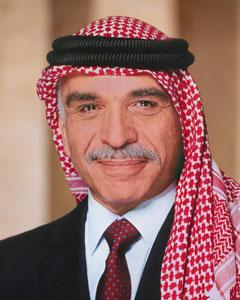
Who is Hussein KingofJordan?
Latest Updates
Update at: Oct 6, 2026Hussein KingofJordan — King Hussein of Jordan
Born 14 November 1935 in Amman, Jordan; reigned as King from 1952 until his death on 7 February 1999. This profile consolidates verifiable public information about his life, leadership, and legacy.
Biographical at a glance
- Birth: 14 November 1935, Amman, Jordan
- Ascended to the throne: 11 August 1952 (age 16)
- Death: 7 February 1999
- Reign: 1952–1999
- Notable role: Modernizer of Jordan, regional statesman, and a central figure in Middle East diplomacy
Notable achievements and policy milestones
- Shaped Jordan's modernization: education expansion, health, and infrastructure development
- Neutral and pragmatic foreign policy, balancing relations with Western and Arab states
- Led Jordan through tumultuous periods, including the 1967 Arab-Israeli conflict era
- Key architect of the 1994 peace treaty with Israel, brokered with international mediation
Legacy and institutions
His long tenure left a lasting legacy in Jordan and the region. Institutions and initiatives named in his honor continue to influence public life, including prominent health, development, and charitable organizations. The King Hussein Foundation and related entities have carried forward his developmental ethos. The King Hussein Cancer Center in Amman commemorates his name and his commitment to improving health care in Jordan. His family continues to play a role in public life; his son Abdullah II became the king after his death in 1999.
News and public discourse
Since his passing in 1999, there are no live news items about him. Public discussion typically appears in historical retrospectives, commemorations, and scholarly work on Jordan's modern history and the Middle East peace process. Contemporary reporting focuses on Jordan's current leadership and policy, with references to King Hussein's era when relevant to context.
Social media and public profiles
There are no verified official social media accounts of King Hussein himself. Information about his life and legacy is published by official Jordanian state channels and royal family communications. Followers and researchers typically rely on credible archives, Britannica, encyclopedias, and official histories for accurate details. The Royal Hashemite Court and Jordanian government maintain official platforms that discuss his legacy in the context of current affairs.
Recent projects connected to his legacy
Projects bearing his name or inspired by his legacy focus on health, education, and humanitarian aid. Notable examples include initiatives led by the King Hussein Foundation and charitable medical centers bearing his name in Jordan. The footprint of his leadership continues to influence policy discussions on modernization, education access, and regional diplomacy.
Additional notes
Always verify facts against reputable sources. While King Hussein's life is well documented in scholarly and popular histories, ensure dates and specifics when citing in academic or professional contexts.
Vedic Planet Analysis
Astrologer ReviewedHussein KingofJordan's planet-by-planet horoscope reading. Select a planet below to read its detailed Vedic interpretation.
 1st
1stAscendant Represents AS
Hussein KingofJordan birth chart analysis for Ascendant
In Vedic astrology, the natal lagna (ascendant) plays a crucial role in shaping an individual's personality and life path. When the natal lagna is in Virgo, it imparts a sense of practicality, meticulousness, and analytical ability. Virgos are known for their attention to detail, which often translates to a strong work ethic and a preference for order and organization. They are typically grounded individuals who value logic and efficiency, often excelling in roles that require precision and critical thinking. The presence of the ascendant in Hasta nakshatra further refines these characteristics. Hasta nakshatra is associated with creativity, skillfulness, and dexterity. Individuals with this placement are often seen as resourceful and adaptable, capable of using their hands effectively, whether in artistic pursuits or practical tasks. They are generally intelligent and possess a keen intuition, which aids in problem-solving and innovative thinking. With the lagna lord Mercury positioned in the 2nd house in Libra and within Swati nakshatra, additional layers of complexity are added to the individual's chart. Mercury in the 2nd house often enhances communication skills and contributes to a focus on financial matters, family values, and personal resources. In Libra, Mercury brings a diplomatic and harmonious approach to interactions, emphasizing balance and fairness in communication and decision-making processes. Swati nakshatra, associated with independence and adaptability, influences Mercury to enhance the individual's ability to navigate changes and embrace new ideas. This placement suggests a penchant for diplomacy and negotiation, making the individual skilled in forming partnerships and resolving conflicts. The combination of Virgo's analytical prowess, Hasta's dexterity, and Swati's adaptability creates a unique blend of intellectual agility, creativity, and social grace. In summary, a Virgo ascendant in Hasta nakshatra with Mercury in the 2nd house in Libra and Swati nakshatra indicates a person who is detail-oriented, communicative, and adaptable. This individual is likely to possess strong analytical abilities, a talent for communication, and a harmonious approach to relationships and financial matters.
Which Raj Yogas are in Hussein KingofJordan's birth chart?
4 FOUNDHussein KingofJordan's chart shows 1 Raj Yoga and 3 challenging combinations, including Chandra-Mangala Yoga.
Which dasha is Hussein KingofJordan running now?
VIMSHOTTARIHussein KingofJordan is currently in the Sun mahadasha, running from Oct 12, 2026 to Oct 19, 2026.
What do Hussein KingofJordan's numerology numbers say?
Hussein KingofJordan's core numbers are Life Path 7, Destiny 11, Soul Urge 1, Personality 1, Kabbalah Number 3, Birth 5.
Chaldean Life Path 7 is Ketu-like—analysis, mystery, and spiritual depth. It indicates learning through research, introspection, and inner truth.
Chaldean Destiny 11 indicates inspired expression and intuitive leadership. It supports visionary guidance, teaching, and spiritual creativity when grounded.
Chaldean Soul 1 desires independence and self-respect. It seeks inner strength, autonomy, and the freedom to lead from within.
Chaldean Personality 1 appears confident, direct, and independent. Others often see leadership energy and strong personal will.
Kabbalah Number 3 reflects an inner spiritual code of expression and creativity. It supports communication, inspiration, and joyful manifestation.
Explore Birth Number 5 in Vedic astrology: personality traits, career paths, and lucky indicators for adaptable, freedom-loving individuals seeking destiny clues.
Life Events & Planetary Transits
Key events mapped against the active Dasha and planetary transits at the time.


Frequently Asked Questions
Common questions about this profile's Vedic astrology, birth chart, and numerology — answered by our astrologers.
Which Vedic moon sign did Hussein King of Jordan carry in his birth chart?
Hussein King of Jordan was born with Gemini as his Janma Rashi, or natal moon sign. This placement indicates a mind oriented toward communication, intellectual curiosity, and adaptability. Gemini moon natives often possess a quick intellect and diplomatic nature, traits that would have served him in navigating the complex political landscape of the Middle East throughout his reign.
Where and when was Hussein King of Jordan born?
Hussein King of Jordan was born on November 14, 1935, in Amman, Jordan. This Scorpio sun placement, combined with his Libra Vedic sun sign, shaped his approach to leadership and governance. His birth in Amman, the capital city, positioned him centrally within the nation he would come to rule.
What does numerology reveal about Hussein King of Jordan's life path and destiny?
Hussein King of Jordan carried life path number 7, which represents spiritual wisdom, introspection, and deep analytical ability. Life path 7 individuals are seekers of truth and often possess a contemplative nature alongside their public roles. This number suggests an inner drive toward understanding complex situations, fitting for a monarch navigating geopolitical challenges and personal trials throughout his lifetime.
How do astrological yogas and planetary placements explain Hussein King of Jordan's ascension to royal power?
Hussein King of Jordan's chart contains significant yogas including Chandra-Mangala Yoga, which combines emotional depth with assertive action, supporting his leadership capabilities. However, his chart also carries Shakata Yoga and Grahan Dosha involving Moon-Ketu, indicating life challenges alongside authority. These placements suggest a ruler who achieved prominence through determination yet faced considerable personal and health obstacles throughout his reign.
What insights does astrology offer about Hussein King of Jordan's marriages and romantic relationships?
Hussein King of Jordan experienced multiple marriages, reflecting the complex relationship patterns indicated in his chart. His Gemini moon sign suggests varied emotional needs and adaptability in partnerships, while planetary placements associated with marriage changes appear prominent. He married Elizabeth Halaby, who became Queen Noor, in 1978. His astrological profile indicates both attraction to marriage and inherent relationship challenges that would manifest across his lifetime.
How does Hussein King of Jordan's ascendant sign shape his public persona and leadership image?
Hussein King of Jordan's Virgo ascendant, or lagna, projects an image of practicality, duty, and analytical governance. Virgo rising individuals are perceived as methodical, detail-oriented, and service-minded, qualities essential for a constitutional monarch. This ascendant sign contributed to his public image as a thoughtful, measured leader who approached state matters with careful consideration and a sense of responsibility toward his nation.