🎉 Get your first AI Vedic birth chart analysis free today only!


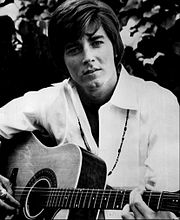
Who is Seale Bobby?
Latest Updates
Update at: Oct 5, 2026Bobby Seale (born October 22, 1936) — Public Profile
Birth: Dallas, Texas, United States — October 22, 1936
Overview
Robert “Bobby” Seale is an American civil rights activist and a prominent figure in 20th-century American protest movements. He is best known as a co-founder of the Black Panther Party (BPP) along with Huey P. Newton in 1966. Seale served as the BPP’s Minister of Defense and helped organize community programs aimed at addressing inequities in Black communities, including free breakfast for children and health clinics, education, and self-defense advocacy.
Early life
Born in Dallas, Texas, Seale moved to the San Francisco Bay Area as a young man, where he became involved in organizing around civil liberties, anti-racist activism, and Black empowerment. His experiences contributed to his role in founding the Black Panther Party in Oakland, California.
Key roles and historic moments
- Co-founded the Black Panther Party (BPP) in 1966 with Huey P. Newton, shaping a new era of Black liberation organizing.
- Held the position of Minister of Defense within the BPP, emphasizing self-defense, community safety, and social programs.
- Played a central role in public activism and political organizing during the late 1960s, including response to police brutality and calls for systemic reform.
- Chicago Eight/Seven trial (1969–1970): Seale was charged in connection with conspiracy and incitement during protests surrounding the 1968 Democratic National Convention. In a widely publicized moment, he was gagged and bound in court following a dispute with a judge, an event that drew international media attention and raised questions about courtroom conduct and civil liberties.
Publications and media
- Seize the Time (1969) — memoir and political manifesto outlining Seale’s perspective on Black liberation, organizing, and the goals of the Black Panther Party.
- His work and philosophy have been explored in numerous documentaries, interviews, and scholarly analyses examining the Black Panther Party and U.S. civil rights history.
Notable works, programs, and influence
- Advocacy for community-based programs, including free breakfast for children and health outreach, which became emblematic of the BPP’s social mission.
- Influence on later civil rights and social justice movements through his writings, speeches, and archival interviews.
Recent activity and public presence
As a historic figure, Seale’s legacy continues to be discussed in retrospectives on the Black Panther Party, civil liberties, and American protest. He has appeared in interviews and been cited in documentaries and analyses tied to the era, including references to the Chicago trials. The legacy of the Chicago Seven/Eight case and the broader Black Panther movement remains a focal point in contemporary discussions of race, policing, and reform.
News and public coverage
Public coverage frequently revisits Seale in the context of the Black Panther Party, the Chicago trials, and the broader civil rights era. Modern media often frames his role within discussions of protest, constitutional rights, and social justice history. For the latest credible reporting, consult established news outlets and archival documentaries that cover the 1960s–1970s Black Power movement and related legal cases.
Social media
Official, verified social media accounts for Bobby Seale are not consistently documented across major platforms. There are archival interviews, historical pages, and fan-created profiles that discuss his work and the Black Panther story. If pursuing social updates, verify sources from reputable archives, libraries, and established civil rights organizations.
Notes on information
The profile above focuses on verifiable, historical public information. For deeper research, consult primary sources such as Seale’s writings, contemporary newspaper archives, documentaries on the Black Panther Party, and scholarly works on 1960s–1970s civil rights activism.
Which Raj Yogas are in Seale Bobby's birth chart?
2 FOUNDSeale Bobby's chart shows 2 Raj Yogas, including Bhadra Mahapursh Yoga, Rajju Yoga.
Which dasha is Seale Bobby running now?
VIMSHOTTARISeale Bobby is currently in the Mercury mahadasha, running from Jun 10, 2026 to Nov 6, 2026.
What do Seale Bobby's numerology numbers say?
Seale Bobby's core numbers are Life Path 6, Destiny 4, Soul Urge 9, Personality 4, Kabbalah Number 7, Birth 22.
Chaldean Life Path 6 is Venus-led—care, harmony, and responsibility. It indicates fulfillment through relationships, service, beauty, and home balance.
Chaldean Destiny 4 indicates practical building through discipline and systems. It supports operations, engineering, execution, and stable long-term progress.
Chaldean Soul 9 desires purpose and compassion. It seeks to serve, forgive, and complete cycles with wisdom.
Chaldean Personality 4 appears practical, reliable, and disciplined. Others often see consistency, structure, and hard work.
Kabbalah Number 7 reflects an inner spiritual code of wisdom and truth-seeking. It supports research, contemplation, and spiritual refinement.
Explore Birth Number 22 in Vedic astrology: destiny, personality traits, challenges, and spiritual potential of this master number for a balanced, purpose-driven life.
Life Events & Planetary Transits
Key events mapped against the active Dasha and planetary transits at the time.




Frequently Asked Questions
Common questions about this profile's Vedic astrology, birth chart, and numerology — answered by our astrologers.
When and where was Bobby Seale born?
Bobby Seale was born on October 22, 1936, in Dallas, Texas. His birth chart reveals a Libra sun sign with a Gemini ascendant, positioning him as a communicative and intellectually driven individual. This Dallas origin shaped the foundation of his life path as a social activist and political organizer.
What core strengths does Bobby Seale's astrological chart reveal about his nature?
Bobby Seale's chart is marked by Bhadra Mahapursh Yoga, a powerful planetary alignment that amplifies his intellectual capacity and communication skills. His Libra sun grants him natural diplomacy and balance-seeking tendencies, while his Gemini ascendant enhances his ability to articulate ideas persuasively. These placements combined gave him the foundation to become an influential political voice.
How does Bobby Seale's chart indicate his approach to relationships and personal connections?
Bobby Seale's Capricorn moon sign suggests a reserved, disciplined emotional nature beneath his outwardly communicative Gemini ascendant. His Libra sun inclines him toward partnership and harmony, but Capricorn's influence indicates he values stability and long-term commitment. This combination suggests he balances intellectual engagement with deep, grounded emotional bonds in his relationships.
What does Bobby Seale's life path number reveal about his destiny and purpose?
Bobby Seale carries a Life Path 6, which is the number of responsibility, service, and advocacy for justice. This numerological influence aligns perfectly with his role as a civil rights activist and community organizer. Life Path 6 individuals are drawn to causes larger than themselves and feel compelled to create harmony and protect the vulnerable in society.
Which astrological factors in Bobby Seale's birth chart explain his career as a political activist and organizer?
Bobby Seale's Rajju Yoga, combined with his Libra sun and Gemini ascendant, made him naturally suited for leadership in social movements. His chart shows strong capacity for organizing groups and communicating ideological messages. The Capricorn moon provided the discipline and strategic thinking necessary to co-found and sustain the Black Panther Party as a structured political organization.
What is Bobby Seale's Vedic moon sign and what does it indicate about his inner world?
Bobby Seale's Vedic moon sign is Capricorn, which governs his emotional core and subconscious drives. Capricorn moon individuals are naturally serious, ambitious, and focused on building lasting legacies. This placement suggests Bobby Seale's emotional strength came from discipline, pragmatism, and an unwavering commitment to long-term goals, traits essential to his sustained activism.